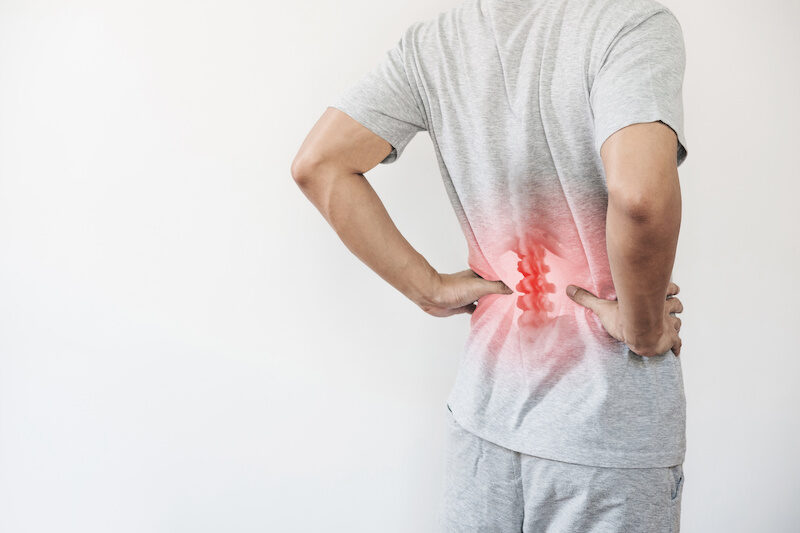
Spinal Disc Herniation & Degenerative Disc Disease
Our specialists provide comprehensive care for patients experiencing spinal disc herniation and degenerative disc disease at North Carolina Neurosciences & Spine Center. Using advanced diagnostic tools and minimally invasive techniques, we help restore comfort and mobility for individuals affected by these interconnected spinal conditions.
What Are Disc Herniation and Degenerative Disc Disease?
Spinal discs serve as essential cushions between your vertebrae, featuring a durable outer cartilage layer and a softer, gel-like core. A bulging disc occurs when the outer cartilage extends beyond its normal position, while a herniated disc (also known as a ruptured or slipped disc) happens when the inner material protrudes through the outer layer.
Degenerative disc disease involves progressive deterioration of these spinal discs over time. While some degeneration naturally accompanies aging, biochemical changes can accelerate compression and breakdown of the discs. Risk factors in younger adults include smoking and excess body weight, which can expedite this degenerative process and compromise the disc’s cushioning ability.
Common Signs and Symptoms of Disc Herniation and Degenerative Disc Disease
Many individuals with disc conditions experience no discomfort, while others face considerable challenges. Symptoms vary based on location and severity, and may include:
- Radiating pain through the arms, legs, or lower back
- Numbness or tingling sensations
- Weakness or cramping in affected muscle groups
- Compromised balance and coordination
- Challenges when lifting or performing routine physical tasks
How Are Disc Conditions Diagnosed in North Carolina?
Our medical professionals begin with a thorough physical examination, assessing tenderness, range of motion, and nerve function. You may be asked to perform specific movements or position changes to help identify affected areas. Advanced imaging provides detailed visualization of your spinal structures, including:
- X-rays
- Computed tomography (CT) scans
- Magnetic resonance imaging (MRI)
- Discography (in select cases)
Treatment Options for Disc Herniation and Degenerative Disc Disease
Conservative therapies include:
- Over-the-counter or prescription pain medications
- Muscle relaxants
- Corticosteroid or trigger point injections
- Physical therapy and targeted exercise programs
- Alternative approaches, such as acupuncture or cognitive behavioral therapy
When non-surgical methods don’t provide adequate relief, surgical intervention may be warranted. Procedures include discectomy (removing the protruding disc portion), complete disc removal, spinal fusion, or artificial disc implantation.
After Your Initial Disc Treatment
Your care continues well beyond the first procedure or therapy session. Our clinical team schedules consistent follow-up visits to monitor your recovery progress and conduct imaging when necessary. Rehabilitation through structured exercises rebuilds core strength and spinal stability. With proper guidance and commitment to spine-protective habits, most individuals successfully return to their everyday routines and recreational pursuits.
Why Choose North Carolina Neurosciences & Spine Center
The specialists at North Carolina Neurosciences & Spine Center possess extensive expertise in diagnosing and treating disc disorders and diseases. Our proficiency in minimally invasive spine surgery, combined with our multidisciplinary approach and state-of-the-art methodologies, enables us to alleviate pain and help you return to an active lifestyle.
Benefits of Disc Condition Treatment
- Substantial relief from chronic discomfort
- Renewed ability to move freely and perform daily tasks
- Safeguarding nerves from progressive damage
- Improved mobility and functional independence
- Successful return to work, hobbies, and exercise
Frequently Asked Questions
Can disc problems heal without surgery?
Many cases respond well to conservative approaches, with symptoms gradually diminishing over weeks or months. The body's natural healing mechanisms can reduce inflammation, particularly when supported by appropriate rest, therapy, and lifestyle modifications.
How can I prevent my disc condition from worsening?
Protecting your spine involves practicing correct posture, using proper body mechanics when lifting, engaging in regular low-impact movement, maintaining a healthy weight, avoiding smoking, and building strong core muscles for better spinal support.
Learn More About Spinal Disc Herniation & Degenerative Disc Disease in North Carolina
Connect with our team to explore personalized treatment strategies for your disc-related concerns. The specialists at North Carolina Neurosciences & Spine Center are ready to evaluate your condition, answer your questions, and design a care plan focused on lasting relief and restored spinal function.
Schedule a Consultation
The care team at Neurosciences & Spine Center can help you decide on the treatment that's best for you. They specialize in minimally invasive surgery and are experienced in diagnosing and treating disorders and diseases, using the newest techniques for relieving pain and returning you to an active lifestyle. To make an appointment at Neurosciences & Spine Center call 919-784-7550.
Need More Help?